Water Pressure Diagnosis
Water Pressure Diagnosis in Washington — what the job involves, what affects the price, and how scheduling works, explained before you book.
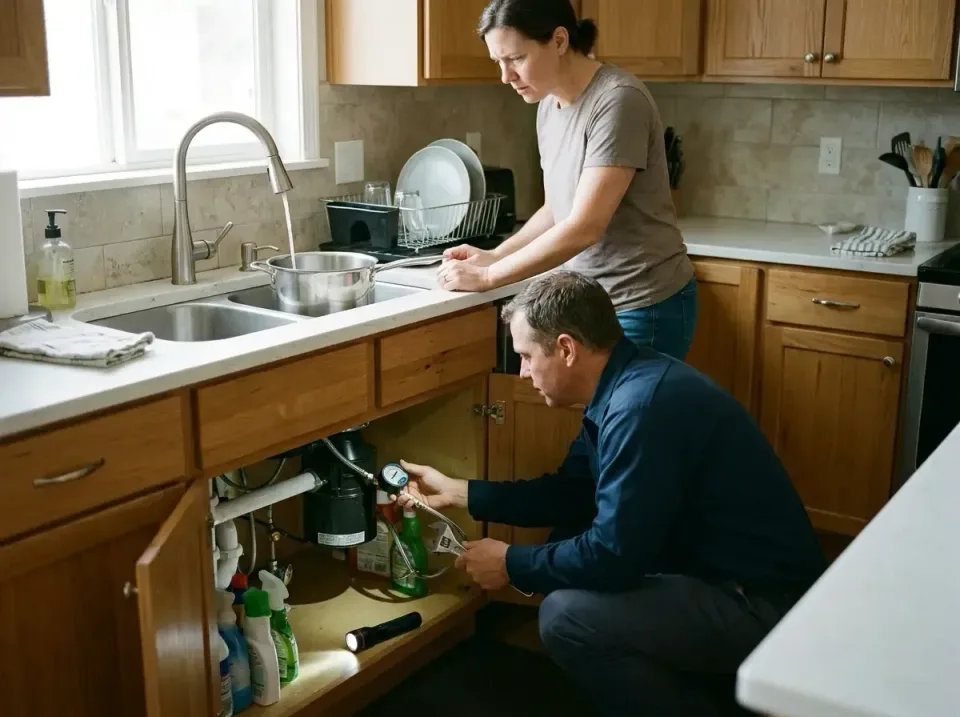
When water pressure changes without warning, a hidden pipe leak or misadjusted pressure regulator may be involved, but a weak fixture can have a different cause. Static water pressure is the reading when water is not flowing; it does not show how much pressure remains during use. Washington Plumbing Pros helps Washington homeowners sort out the difference and choose a repair based on what the plumbing is actually doing.
Certified professionals across Washington covering your full service needs.
Water Pressure Diagnosis in Washington — what the job involves, what affects the price, and how scheduling works, explained before you book.
Local water pressure regulator repair for Washington with a written scope, clear pricing, and scheduling you can plan around.
Water Booster Pump Installation in Washington — what the job involves, what affects the price, and how scheduling works, explained before you book.
Local water booster pump repair for Washington with a written scope, clear pricing, and scheduling you can plan around.
Clogged Water Line Repair in Washington — what the job involves, what affects the price, and how scheduling works, explained before you book.
Local main water line leak repair for Washington with a written scope, clear pricing, and scheduling you can plan around.
Local hidden pipe leak repair for Washington with a written scope, clear pricing, and scheduling you can plan around.
Local corroded pipe replacement for Washington with a written scope, clear pricing, and scheduling you can plan around.
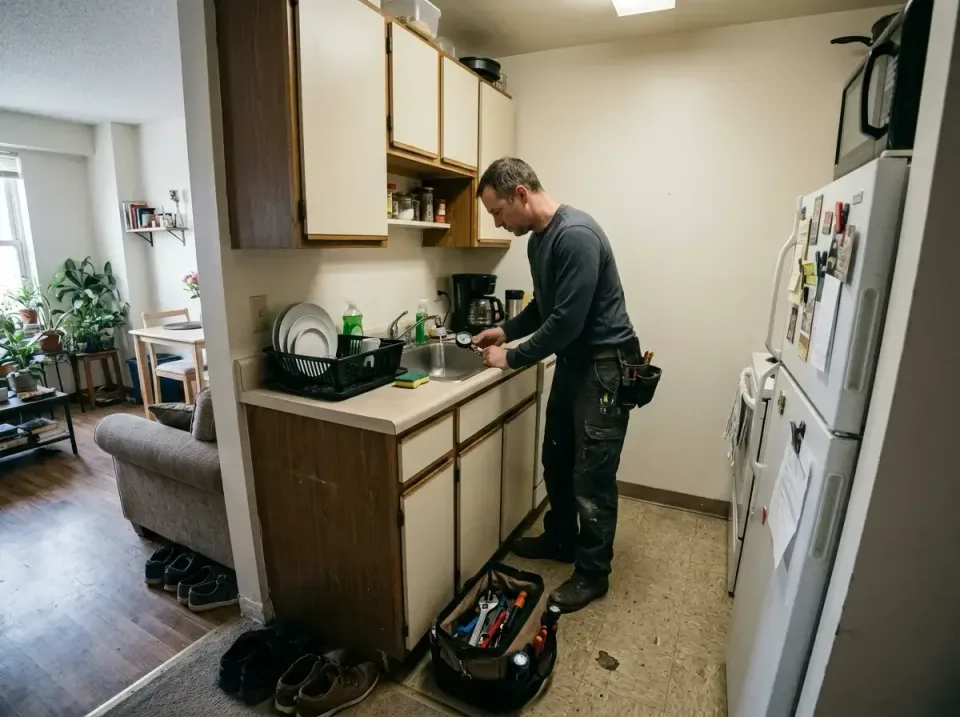
Get a pressure diagnosis shaped by your home and local plumbing conditions.
Cause First
A technician checks likely sources such as regulators, clogged lines, leaks, pumps, and fixtures before recommending work. You hear what the inspection finds and which repair options fit your home.
Washington Know-How
The team’s experience with Seattle-area homes includes aging pipes, mineral scale, and changing water conditions. That local perspective helps focus the diagnosis without assuming every pressure problem has the same cause.
Clear Coordination
The team confirms symptoms and property details before dispatching a technician. That conversation helps prepare for the visit, while a clear explanation of findings and repair options helps you understand the proposed work.
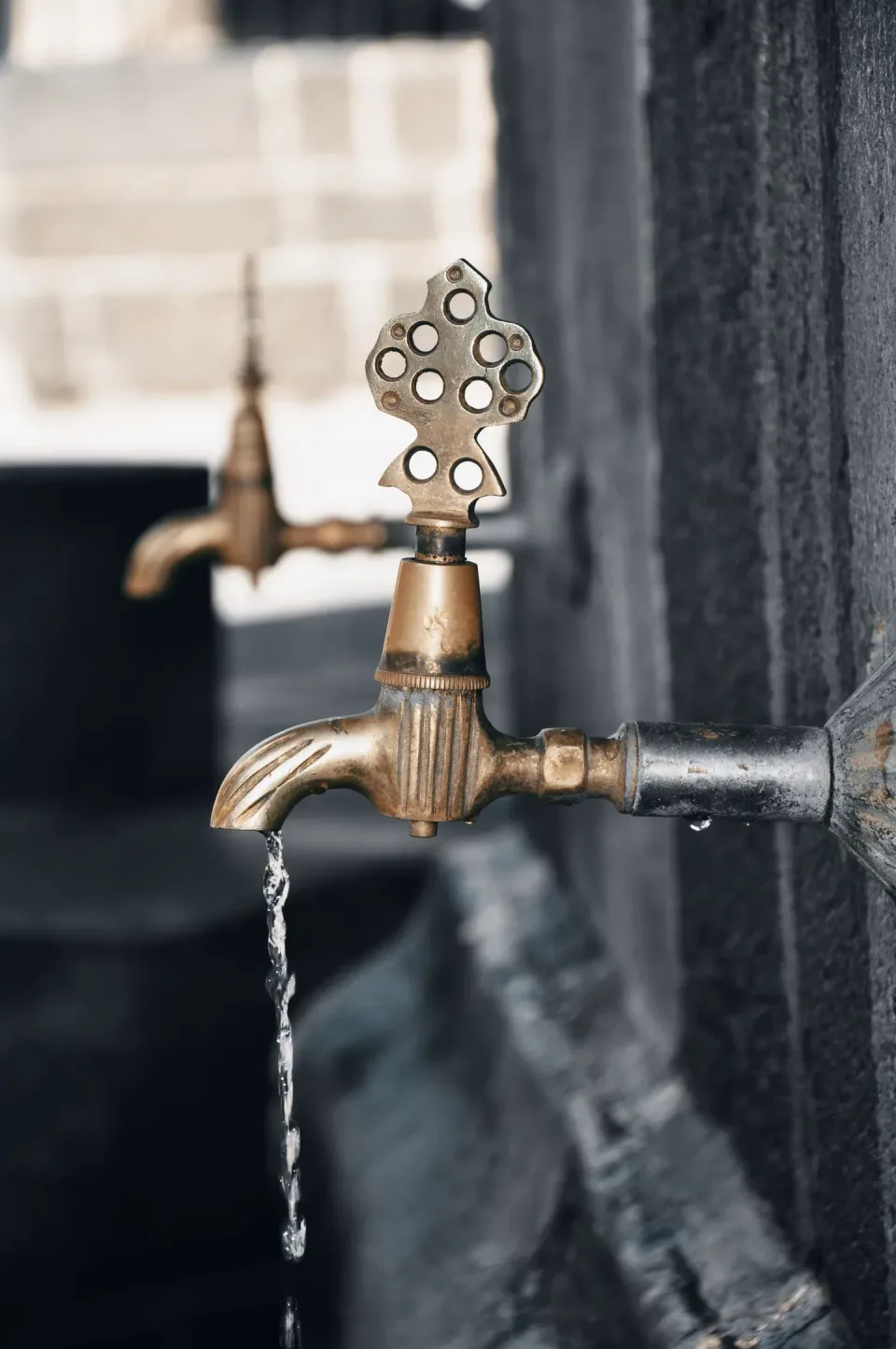
A weak stream at one sink may come from a fixture aerator: the small screen at the faucet tip can collect debris and restrict flow. Our crew serving homes around the Space Needle checks the fixture before recommending broader Low Water Pressure Repair, so a simple blockage is not mistaken for a whole-house problem.
Small restrictions matter. Flow rate describes how much water reaches a fixture over time, and a low rate at one tap does not automatically mean the supply pressure is low.
We also locate the main shutoff valve before work; knowing where it is lets us isolate the plumbing safely if a repair requires water to be turned off. Seattle’s wet winters and comparatively dry summers make it useful to keep plumbing access clear year-round, especially around utility spaces.
We explain what we find and outline practical repair options before work begins. For a calm scope review, call (877) 773-0781.
Through the year
Spring
Spring snowmelt can affect regional water supplies, making it a useful time to pay attention to changes in household pressure. If flow shifts, note which fixtures are affected and whether the change lasts, then arrange an assessment.
Summer
Summer heat can raise household water demand, while Eastern Washington drought can increase irrigation use. If indoor flow changes as outdoor water use rises, an assessment can help identify whether the home’s plumbing needs attention.
Fall
Windstorms can cause outages that affect electric booster pumps. If a home relies on a pump, fall is a practical time to have pressure concerns assessed and to mention any interruptions or changes in pump operation.
Winter
Cold snaps and freeze-thaw cycles can stress exposed pipes, while low temperatures can affect crawlspace plumbing. Arrange an assessment if pressure changes in these areas, and tell the technician where the piping is located.
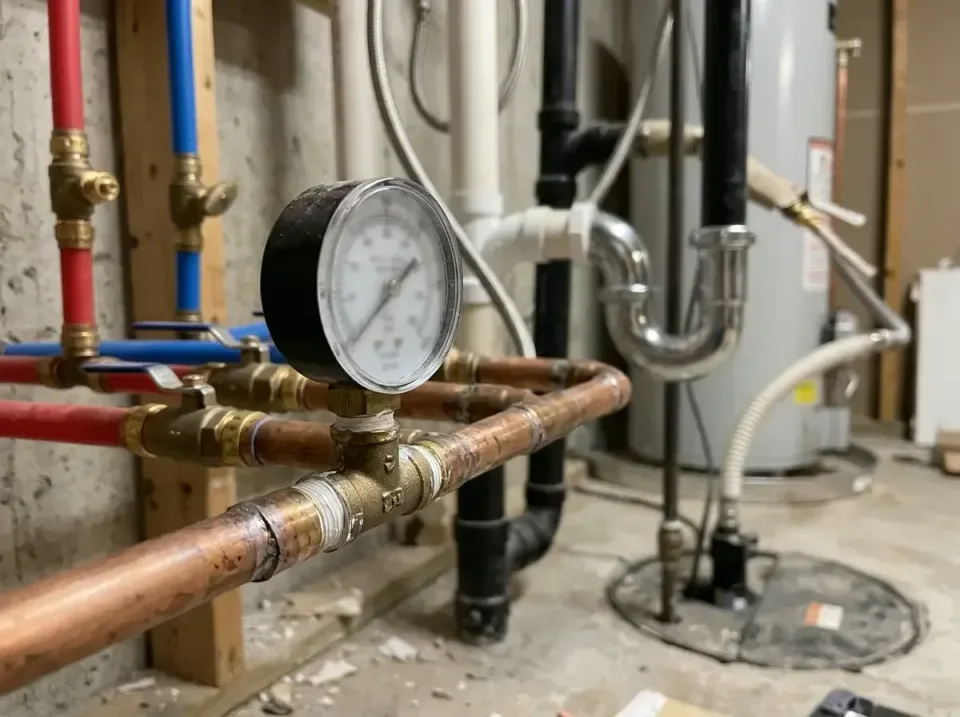
Homeowners seeking Low Water Pressure Repair need a fix matched to where the restriction or pressure loss occurs. A pressure diagnosis helps separate a supply problem from a fixture or pipe issue.
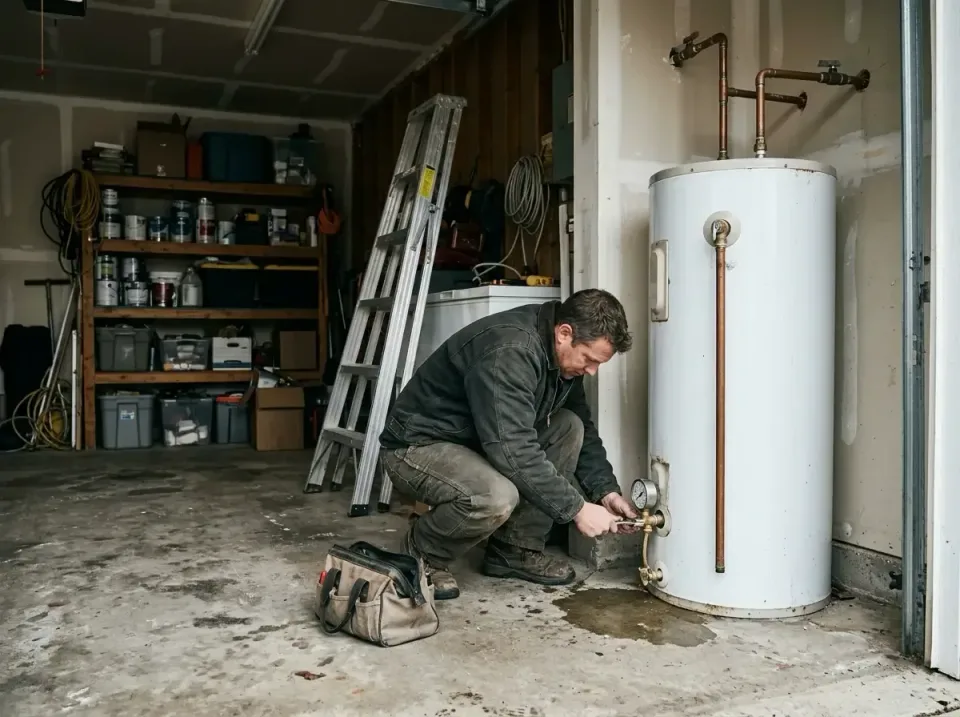
For pressure that surges or stays unusually high, Water Pressure Regulator Repair addresses the pressure-control valve. A worn brass pressure-reducing valve may need adjustment or replacement, and our crew checks its condition before recommending either.
If a household supply cannot meet demand, Water Booster Pump Installation can raise pressure when the system is properly sized for expected flow and pressure. Existing pump trouble may instead call for booster pump repair.
A line narrowed by buildup may need Clogged Water Line Repair; older galvanized steel pipe can corrode internally and reduce its open diameter. Material choices matter, too: the Washington State Plumbing Code and Uniform Plumbing Code provide rules that guide plumbing work, while NSF/ANSI/CAN 61 drinking-water components are designed for contact with potable water.
We also consider potable-water backflow prevention where the installation calls for it. Seattle summers can be comparatively dry, so we inspect actual household demand rather than assuming conditions.
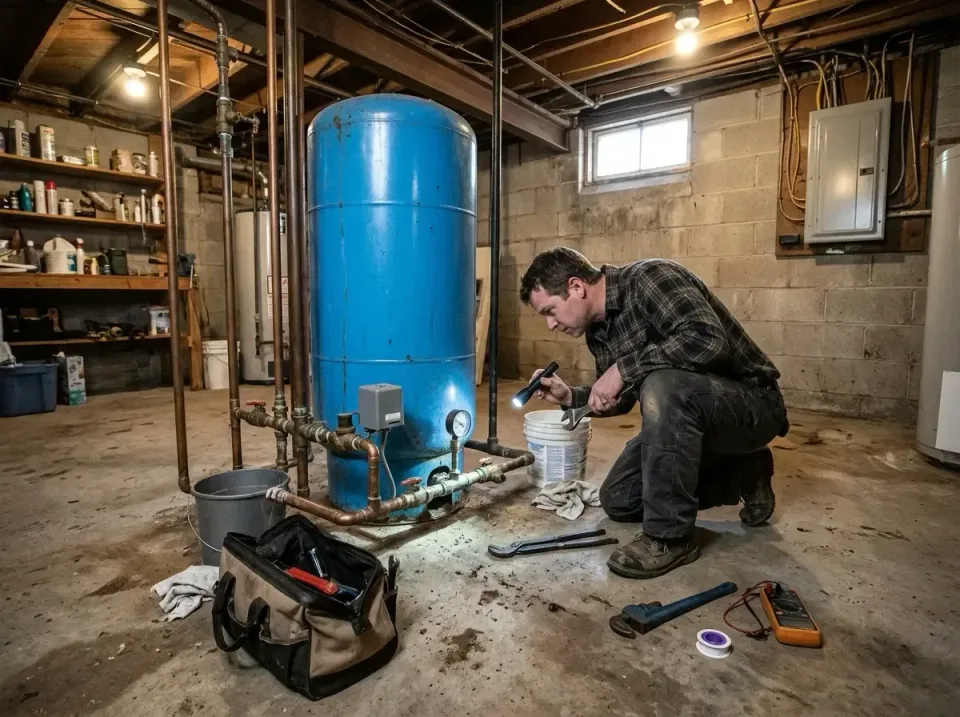
A pressure problem can come from a small valve adjustment or a repair that requires difficult access, so the useful starting point is identifying the cause. Residential supply pressure commonly falls between 40 and 80 psi; readings above 80 psi call for regulator evaluation rather than simply increasing pressure. Our itemized quotes connect the proposed work to the test results.
Pressure diagnosis typically costs $100–$300, with testing needs and access affecting the scope. Pressure regulator replacement commonly runs $300–$800; valve size and location influence the work.
Booster pump installation is generally $1,000–$3,500, depending on system capacity and required electrical work. Water line repair often ranges from $500–$2,500, with excavation and pipe material affecting the total.
For a hidden leak, detection needs and wall restoration commonly place repair costs between $300 and $2,000.
Final quotes vary with scope, access, materials, permits, and site conditions. Contact Washington Plumbing Pros at (877) 773-0781 for a final quote based on the home.
Reach our Washington team or ask about coverage in other markets.
Straight answers for customers in Seattle, WA on pricing, scheduling, and coverage.
Repeated pump cycling can point to a pressure tank, pump control, or leak issue rather than a need to turn the pump up. Note when cycling happens and ask a plumber to check the tank and system pressure before changing settings.
Pipe descaling can help when scale is narrowing the water passage, but it will not correct a leak, failing pump, or faulty pressure-reducing valve. A pressure gauge reading and pipe inspection help identify whether buildup is a likely cause.
No, not before the cause is checked; adjusting the valve without testing can leave downstream pressure incorrect. A plumber can inspect the valve and recheck pressure after any adjustment.
Describe when the pump starts and stops, which fixtures are running, and whether the pressure change is constant or intermittent. If you can safely note the pressure gauge reading without adjusting equipment, share that reading when arranging an assessment.
Yes, a pressure tank problem can affect pressure delivery or cause the pump to cycle more often than expected. Ask for the tank, pump controls, and measured pressure to be checked together before replacing equipment.
Select a city to find local low water pressure repair providers we cover in Washington.
Recent low water pressure repair project photos.